
Before choosing a shrub, paver, or bed line, decide what you want the property to look like and how you want to use it. A thoughtful landscape design turns those goals into practical decisions about light, water, growing room, movement, and upkeep before installation begins.
Begin with how you want the property to work
A useful landscape design starts with ordinary life at home. Maybe you want a clearer walk from the driveway to the door, a patio that feels connected to the yard, more privacy around a sitting area, color near the entry, or fewer beds that demand frequent attention. Name the result first. A list of plants or materials means more when every choice supports something you actually want to see or do.
For a residential property in Northwest Georgia, a conversation about landscape design and installation should connect those goals to conditions on the property. Complete Lawn Service was founded in Kingston in 1997, and owner Jody Hardin's horticulture education supports a practical look at planting and site conditions. Homeowners in the company's Northwest Georgia service area can begin by writing down three priorities: what should change, what should stay, and how the finished area should be used.
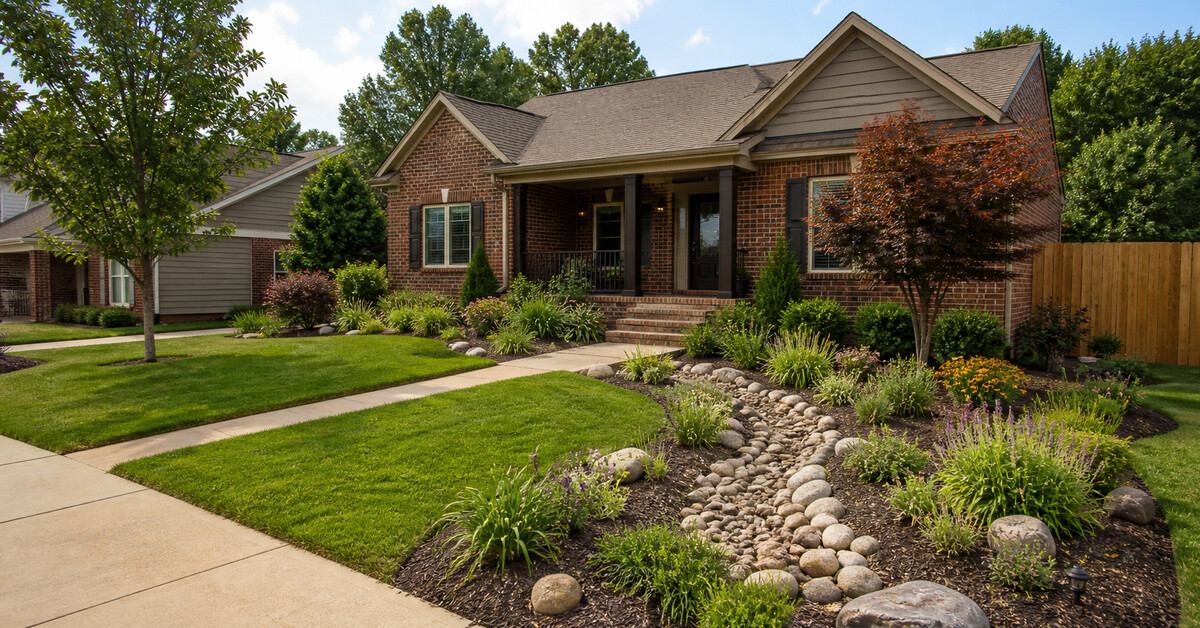
Walk the yard at the times you use it
Light is not a single label. A bed can receive morning sun, strong afternoon sun, filtered light, or deep shade, and that pattern can shift through the year. Before settling on a planting design, notice where sunlight reaches the property in the morning, around midday, and later in the afternoon. Pay special attention to the hours when you expect to sit, cook, play, or walk through the area.
These observations shape more than plant selection. They can show where shade would make a seating area more comfortable, where a privacy screen grows evenly, and where a bed needs a simpler palette. Take a few photos from the same locations at different times. They give you a more honest record than trying to remember which corner felt sunny several weeks ago.
Read drainage before drawing new bed lines
Water can change the order of an installation. A low area that remains soft, runoff that crosses a future walkway, or water that collects beside a bed deserves attention before sod, plants, or a built feature covers the evidence. Watch the yard during safe conditions after an ordinary rain. Note where water enters, where it slows down, and where it appears to leave.
The right response depends on what is happening at the property. The assessment determines whether grading, drainage work, a French drain, or a different layout fits the conditions. The main point is not to force every wet area into the same answer. It is to avoid placing a new bed, patio edge, or lawn area where existing water movement will work against it.
Give every plant room for its mature size
New shrubs and perennials can look small on installation day. That makes it tempting to place them close together for an immediate full effect. Mature height and width matter more. Crowding can hide windows, narrow walks, block sight lines, and turn a clean bed into a trimming problem later.
Think in layers. Taller plants can create a background or privacy screen. Mid-height shrubs can define the main shape, while lower plants soften the front edge. Each layer still needs suitable light, moisture, and growing room. Also check how roots and branches relate to foundations, walls, pavement, irrigation heads, and other plants. A planting design should look deliberate when installed without forgetting what the plants are expected to become.
Plan irrigation around the new landscape
A landscape installation can change what needs water and where. New beds can extend beyond existing coverage. A future walkway can interrupt a spray pattern. Privacy plantings sometimes sit in an area that was never irrigated, while a lawn zone does not always suit the needs of nearby shrubs. Review residential irrigation before installation so coverage questions are not discovered after plants and edges are in place.
Do not assume every dry spot means the controller only needs more run time. Coverage, a damaged component, grade, and other site conditions can create similar symptoms. If part of the lawn already stays dry, the guide to irrigation repair and recurring dry spots explains why the cause should be checked before a repair or schedule change is chosen.
Connect planting to patios, walks, walls, and lighting
Built features set strong lines in a landscape. Doors, steps, driveways, patios, and retaining walls influence how people move and where planting can fit without crowding the route. If a new patio or walkway is part of the idea, discuss it while the landscape layout is still flexible. The hardscaping plan should account for grade, drainage, access, use, and nearby beds rather than being treated as an isolated shape.
Think about the transitions people notice every day. Is there enough room to pull out a dining chair? Does the route from the grill to the house cross a planting bed? Will a gate, hose, trash bin, or garden cart still move comfortably? Our guide to patio design, drainage, and lighting covers the details that are easiest to address before surfaces and edges are finished.
If low-voltage fixtures are planned for steps, walls, walks, trees, or planting beds, include outdoor lighting in the early conversation. Fixture locations affect what should remain visible after dark and where wiring needs to pass. Planning those relationships early can keep lighting from feeling like an afterthought.
Choose a maintenance level you will be glad to keep
A landscape can look beautiful and still be a poor fit if the upkeep conflicts with your schedule or preferences. Ask how much trimming, bed weed control, edging, seasonal cleanup, and material refreshing you want to manage. Large masses of a few well-placed plants often create a calmer picture than many one-off choices, but the right balance depends on the look you enjoy.
Access belongs in this discussion too. Leave comfortable room to reach plants, bed edges, irrigation components, and outdoor fixtures. Avoid narrow lawn strips that are hard to mow or small corners that collect debris. Homeowners who prefer recurring help can review full-service annual landscape maintenance, with a selected mix of mowing, edging, trimming, bed care, seasonal cleanups, and bed refreshes under an annual agreement.
Know when a drawing or rendering is useful
Not every change needs the same level of visual detail. A simple bed refresh is often easy to discuss on the property. A larger landscape design with several planting areas, grade changes, privacy screening, irrigation, or hardscape connections is easier to understand with a drawing, design, or rendering.
A visual can help you compare proportions, see how major features relate, and discuss options before installation. It should answer real questions rather than add detail for its own sake. Ask whether the project has enough parts, phases, or close decisions that seeing the arrangement would reduce uncertainty. If so, a drawing or rendering is useful.
Bring a short planning list to the first conversation
- Write down how you want the area to look and what you want to do there.
- Mark features that should remain, including plants, views, walks, and built elements.
- Photograph sun patterns and water movement from useful angles.
- Note wet areas, dry zones, awkward routes, and places that feel exposed.
- List any future patio, wall, lighting, irrigation, or sod work you are considering.
- Decide how much recurring maintenance fits your household.
- Collect a few inspiration images, then identify what you like about each one.
You do not need to solve every detail before asking for help. Clear observations are enough to start. To discuss residential landscape design for your Northwest Georgia home, request an estimate or call or text (770) 629-0903.
Landscape design questions before installation
What should I decide before meeting about landscape design?
Decide how you want the area to look, what you want to do there, what should remain, and how much upkeep fits your routine. Photos of light, runoff, dry zones, and inspiration can make the conversation more useful.
How does sunlight affect a planting design?
Sunlight influences which plants suit a bed and how a sitting area feels at different times of day. Observe morning, midday, and afternoon light before choosing plants or placing shade-sensitive features.
Should drainage and irrigation be planned before plants go in?
Yes. Existing water movement can influence the layout or order of work, while irrigation coverage should match the lawn and beds being installed. Assessing both early can prevent avoidable conflicts.
What decisions should a landscape drawing settle before installation starts?
A useful drawing should settle layout, bed lines, circulation, mature plant spacing, privacy, grade transitions, irrigation or lighting coordination, hardscape connections, and any project phases that affect access. It should help the homeowner and installer agree on what is being built—not serve only as a pretty preview.
Make the first decisions count
The strongest plan is not the one with the longest plant list. It is the one that starts with your goals and responds to the property in front of you. Work through light, drainage, mature growth, irrigation, hardscape relationships, and maintenance before installation. Those decisions give every later choice a clearer purpose and help the finished landscape feel natural to the way you live at home.